

Water damage prevention protects both building value and operating cash flow. In Central California, Fresno and Clovis properties face winter storms, occasional Pineapple Express rainfall, expansive clay soil, and long dry periods that can leave drainage paths neglected. A blocked outlet, failed condensate line, or slow plumbing leak can then cause repairs and tenant disruption.
Owners should treat prevention as a scheduled property system: inspect exterior drainage before seasonal rain, check roofs and foundations, control plumbing risks, and document corrective work. Clay soil can shift as it wets and dries, opening foundation cracks or changing surface drainage. Those conditions make early inspection more practical than waiting for visible interior damage.
Landlords also need controls that work when nobody is onsite. Vacant units, after-hours failures, and delayed tenant reports can allow a small leak to spread. Set inspection responsibilities, confirm shutoff locations, test drainage equipment, and give tenants a clear reporting process.
The strategies that follow organize these tasks around seasonal checklists, repair priorities, and cost decisions. Each one helps property owners and managers schedule work, verify performance, and reduce avoidable water-loss exposure over time.
1. Maintain Gutters and Downspouts Regularly
Gutters and downspouts move roof runoff away from siding, walls, crawl spaces, and foundations. When leaves, roof granules, or storm debris block that path, water spills over the edge and can collect beside the structure. Central California's rainy season makes pre-storm preparation especially important for homes with mature trees or older drainage systems.
Schedule a thorough cleaning before seasonal rainfall begins, then inspect the system after heavy storms. Look for sagging sections, separated joints, rust, standing water, and downspouts that discharge directly beside the foundation. A gutter guard can reduce debris accumulation, but it won't eliminate inspections. Guards themselves can clog or allow fine material into the channel.
Practical rule: A downspout only helps if its outlet carries water well away from the building and remains open after a storm.
Continuous gutters can reduce the number of joints where leaks develop, while properly sealed connections address existing weak points. In older Fresno neighborhoods, owners should also watch for soil erosion or settling near the foundation. New water patterns often reveal that a downspout connection has shifted or that the ground no longer drains as intended.
For a broader recurring schedule, use this seasonal property maintenance guide alongside professional essential gutter cleaning tips. If roof access requires a ladder, hire a properly equipped professional rather than accepting fall risk to save a routine maintenance cost.

After cleaning, photograph each downspout outlet and note any repairs. That record helps owners verify that drainage work was completed before the next major storm.
2. Correct Grading and Landscape Drainage
A building can have clean gutters and still experience water intrusion if the soil around its foundation directs runoff inward. Grading should guide surface water away from the structure rather than allowing puddles to form beside walls, crawl spaces, or basement areas. Low-lying properties and homes on altered lots deserve particular attention because landscaping changes can redirect water long after construction.
Start by observing the property during and after rainfall. Mark where water pools, how runoff travels from downspouts, and whether soil has eroded near the foundation. A professional drainage assessment can distinguish a minor surface problem from a broader grading defect that requires reworking the site.
Design planting and drainage together
Large trees planted too close to a foundation can disturb soil and alter drainage patterns as roots grow. Choose regionally appropriate plantings that tolerate Central California conditions, and avoid building raised beds that trap water against exterior walls. Mulch, paving, and irrigation zones should also be arranged so they don't push water toward the building.
For a new Clovis development, correcting grade during construction is usually easier than excavating and reworking an established yard later. For an older Fresno property, re-grading may be worthwhile before listing if buyers can see standing water, erosion, or damp foundation areas.
Use downspout extensions or splash blocks where appropriate, but don't assume they solve a slope problem. The foundation protection guidance on grading and drainage reinforces the practical point: drainage needs a complete path from roof to safe discharge area.
Owners should recheck grading after major outdoor renovations, irrigation changes, or soil settlement. A drainage solution that worked when installed may fail once the surrounding ground shifts.
3. Install and Test Sump Pumps and Drainage Systems
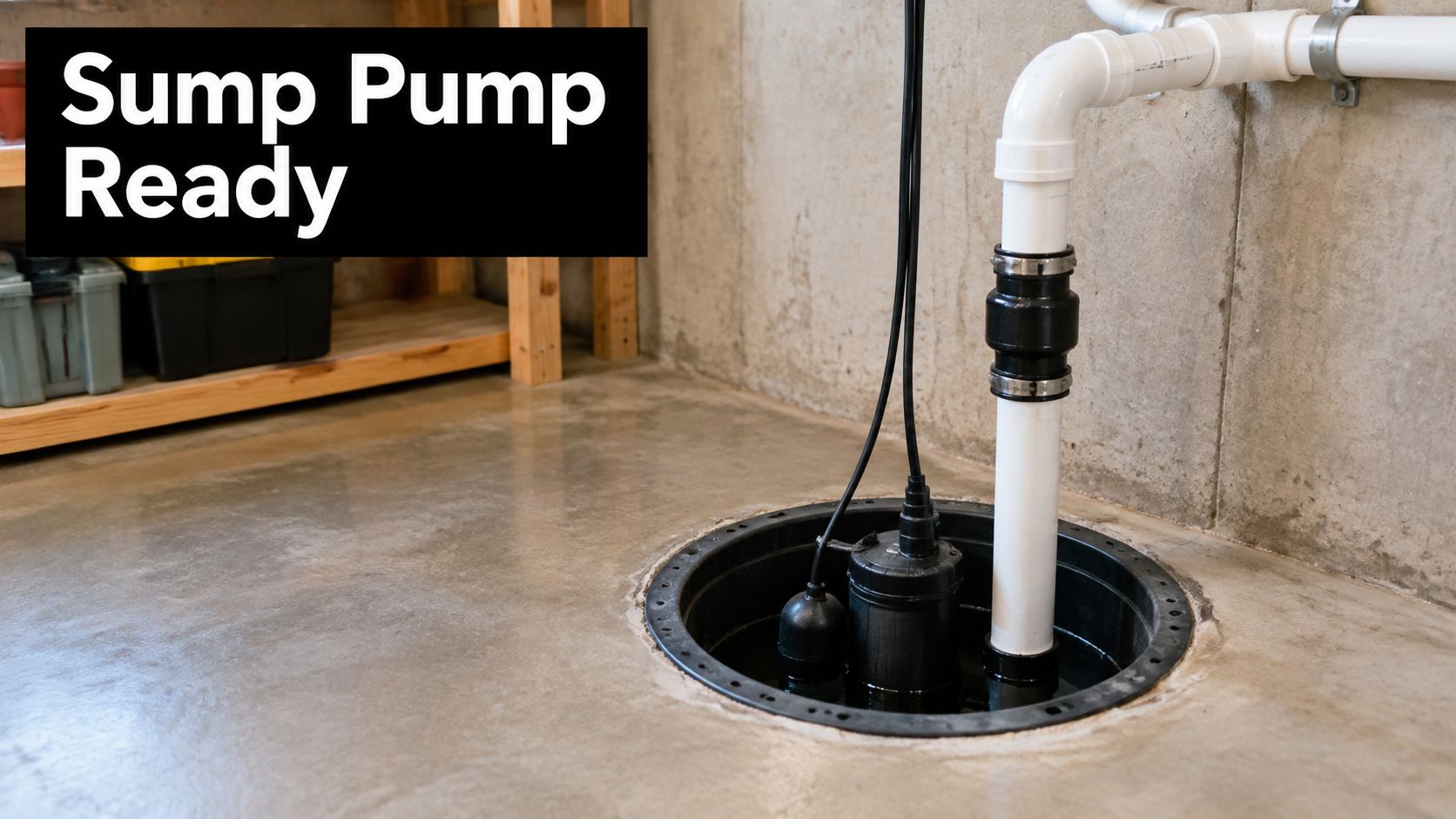
A sump pump protects a lower area by collecting water in a basin and discharging it away from the building. It can be valuable for properties with crawl spaces, below-grade rooms, seasonal seepage, or a history of flooding. The pump itself isn't a complete water damage prevention plan, though. A blocked discharge line, failed float switch, or depleted backup battery can leave the property exposed when the system is needed most.
Test the pump by adding water to the basin and confirming that it starts automatically. Listen for unusual noise, check that the discharge is strong, and verify that the outlet doesn't release water beside the foundation. The check valve should prevent discharged water from flowing back into the pit.
Build redundancy into the system
A backup pump or battery system can provide additional protection during an outage or primary-pump failure. Keep the basin lid secure, clear of debris, and properly fitted. Owners should document the model, installation date, service history, and battery condition, then give tenants a simple reporting instruction if the alarm activates.
For a rental property in a lower-lying part of Fresno or near seasonal water movement around Friant, the discharge route matters as much as the pump. A pump that moves water into a blocked side yard has only relocated the problem.
Inspect the pump monthly and test backup equipment on a recurring schedule. Replace batteries when they no longer hold a reliable charge, and don't wait for a storm forecast to discover that the system has been disconnected.
4. Waterproof Basements and Crawl Spaces
Waterproofing works best when it addresses the source of moisture rather than covering visible staining. An owner should first identify whether water enters through foundation cracks, wall joints, floor edges, plumbing penetrations, or exterior pressure. Sealing a wall without correcting poor grading or a failed drainage route may hide the symptom while leaving the cause active.
Interior waterproofing can include crack repair, water-resistant coatings, vapor control, and drainage improvements. Exterior work can protect the foundation before water reaches it, but it typically involves excavation and more disruption. The right choice depends on access, the entry point, soil conditions, and whether the foundation needs structural repair.
Verify dryness before rebuilding
EPA guidance recommends drying wet or damp materials within 24 to 48 hours and keeping indoor humidity below 60%, ideally between 30% and 50%, according to its mold and moisture guidance. Those thresholds make moisture measurement more useful than relying on touch or appearance alone.
Use a moisture meter on drywall, subfloors, framing, and other vulnerable materials. Porous materials that remain wet, contaminated, or visibly damaged may need removal instead of repeated surface drying. A dehumidifier can support drying, but it can't compensate for continuing water entry or hidden saturation.
For historic Fresno properties, inspect older foundation materials carefully before applying coatings. Use compatible, breathable products where appropriate so the assembly can release moisture rather than trapping it. Keep inspection photos, readings, invoices, and repair details in the property file, especially before sale or re-leasing.
5. Inspect and Maintain the Roof
The roof is the building's first overhead barrier against rain. Small defects around flashing, vents, skylights, chimneys, and penetrations can direct water into sheathing, insulation, ceilings, and wall cavities before occupants notice a stain. Central California's strong sun exposure can also accelerate deterioration in sealants and roofing materials.
Arrange professional inspections in spring after winter weather and again before the next rainy season. Inspect the roof after severe weather as well. A qualified roofer should check missing or damaged shingles, lifted edges, cracked flashing, blocked drainage paths, exposed underlayment, and signs of wood rot.
Treat documentation as part of maintenance
Owners preparing a Clovis property for sale can use a roof inspection report to explain recent repairs and reduce uncertainty during negotiations. Landlords should keep the same records because documented maintenance helps establish when a defect was identified and how it was handled.
Clear loose debris without damaging the roofing surface. Check attic ventilation and look for damp insulation, staining, mold-like growth, or daylight where it shouldn't appear. Bathroom and kitchen exhaust should discharge outdoors, not into the attic, because indoor moisture can create problems that resemble roof leaks.
Replace missing roofing materials promptly. Delaying a small repair can allow water to reach structural wood and increase the scope of work. Don't rely on an interior ceiling stain alone to locate the entry point. Water can travel along framing before appearing indoors.
6. Install and Maintain French Drains
A French drain uses a perforated pipe, gravel, and a properly prepared trench to collect and redirect groundwater or surface water. It can help properties with chronic seepage, clay-heavy soils, or recurring water movement near the foundation. The system needs a reliable outlet, correct slope, and protection against soil migration to keep functioning.
Begin with a professional assessment. The best location depends on where water originates, how the lot slopes, the foundation depth, and whether the proposed outlet can legally and safely discharge water. Installing a drain in the wrong place may move water without reducing pressure against the building.
A French drain isn't a substitute for functioning gutters. Roof runoff and groundwater need separate control paths that work together.
Use geotextile fabric around the gravel where appropriate to reduce soil entering the drainage assembly. Keep the outlet visible and free from vegetation, sediment, and stored materials. After heavy rain, inspect whether water reaches the outlet and whether the surrounding area remains stable.
In lower-elevation Fresno neighborhoods, a French drain may address persistent seepage that surface re-grading alone can't resolve. In a new build, planning the drainage route before landscaping can reduce later excavation. Existing owners should compare the installation cost with the recurring consequences of dampness, tenant complaints, interior repairs, and disrupted occupancy.
A properly designed system can remain unobtrusive, but it still requires inspection. Record the route, outlet location, materials, and service history so future contractors don't damage it during landscaping or utility work.
7. Seal Doors, Windows, and Building Penetrations
Water often enters through details that owners overlook, including window corners, door thresholds, utility lines, hose bibs, air-conditioning penetrations, and roof-to-wall transitions. These openings may look minor, yet repeated wetting can damage trim, drywall, insulation, and framing.
Inspect exterior seals quarterly and after major weather events. Look for cracked caulk, gaps, soft trim, failed weatherstripping, loose flashing, and staining beneath openings. Exterior-grade silicone or polyurethane can work for suitable joints, but the surface must be clean, dry, and compatible with the product.
Prioritize the details that move water
Doors need a sound threshold and a barrier that directs water outward. Windows need correctly installed flashing and sealed transitions, not just a bead of caulk over an existing defect. At roof-to-wall junctions, kick-out flashing should direct runoff into the gutter rather than behind the siding.
Owners frequently recaulk on a calendar without checking whether the joint is moving, wet, or structurally damaged. A new sealant layer won't fix deteriorated wood, failed flashing, or an improperly installed window. Remove failed material, repair the substrate, and then reseal.
For rental properties, include visible seals and penetrations in recurring inspections. Tenants may report water only after interior damage appears, so managers should check around air-conditioning units, electrical penetrations, plumbing entries, and exterior doors proactively.
A Clovis home prepared for sale benefits from clean, intact caulking and weatherstripping, but appearance shouldn't be the only objective. Photograph completed work and record the product used, especially when repairs involve windows, doors, or roof interfaces that may need future service.
8. Install Backwater Valves and Maintain Clean-Outs
A backwater valve can help prevent sewage from flowing back into a building when the downstream sewer system becomes overloaded. Clean-out plugs provide access for inspection and clearing blockages. These controls are particularly relevant in older neighborhoods where sewer infrastructure, private laterals, or storm conditions may create backup risk.
Have a qualified plumber assess the sewer line before selecting a valve location. The valve should be installed where it can protect the lowest vulnerable point without restricting normal drainage. A poorly fitted or inaccessible valve creates maintenance problems and can fail to protect the property when owners need it.
Keep access practical for emergency service
Mark clean-out locations and keep them free of soil, storage items, and landscaping. Schedule professional sewer inspections based on the property's condition and history, and retain records of camera inspections, clearing, repairs, and valve servicing. Owners should also identify the main water shutoff and make sure tenants or on-call staff know how to report sewage backup immediately.
A backwater valve won't prevent every plumbing failure inside the home. It also doesn't replace maintenance of toilets, drains, supply lines, or private sewer laterals. Think of it as one layer in a broader system that reduces the consequences of a municipal or lateral backup.
For owners managing older Fresno properties, a professional plumbing inspection can help identify inaccessible clean-outs, deteriorated connections, and conditions that need correction before a storm exposes them.
Don't enter sewage-contaminated areas casually. Protect occupants, stop use of affected fixtures, document the condition, and bring in qualified professionals for assessment and cleanup.
9. Inspect the Foundation and Repair Cracks Early
Foundation cracks deserve classification, not automatic patching. A narrow, stable crack may allow a targeted seal or injection, while a widening crack, displaced wall, uneven floor, or persistent dampness may point to movement or drainage pressure that requires professional evaluation.
Begin with dated photographs and notes showing the crack's location, length, width, and nearby moisture conditions. Recheck the area after rainfall and after changes to grading or irrigation. Crack monitoring is more useful than repeatedly applying filler without recording whether the condition changes.
Repair the water path and the structure
Before sealing a crack, correct exterior water pressure where possible. Check gutters, downspouts, grading, irrigation, and drainage systems first. If the crack indicates structural movement, a qualified structural professional should determine the repair approach rather than treating it as a cosmetic defect.
Friant-area properties with settlement history may benefit from a documented monitoring program. Older Fresno homes can also gain clarity from a pre-sale inspection that distinguishes normal aging from a condition that affects water entry or structural performance. Owners preparing to sell can use a home inspection before selling to identify repairs early and avoid rushed decisions during escrow.
Do not conceal active cracks before an inspection. Maintain reports, repair invoices, photographs, and any engineer or contractor recommendations in the property file. That documentation helps future owners, tenants, and service providers understand what has been observed and what remains under review.
A foundation repair decision should weigh movement, water intrusion, safety, and long-term access. The cheapest patch isn't necessarily the most responsible option if the surrounding drainage continues to drive moisture toward the structure. For properties with pier-and-beam construction, owners can also review this guide to Texas pier and beam repair for general terminology, while relying on local professionals for Central California conditions.
10. Maintain HVAC Systems and Attic Ventilation
Air-conditioning systems remove moisture as they operate, and that condensate needs a clear, correctly routed drain. A clogged line, disconnected fitting, or overflowing pan can release water into ceilings, walls, or mechanical spaces. In a warm Central California climate, cooling equipment deserves recurring attention during the season when it runs most often.
Have an HVAC professional inspect condensate lines, drain pans, float switches, and discharge points. A secondary pan with an independent drain can provide another layer of protection beneath an attic-mounted unit. The system should produce a clear warning or shutoff response if the primary drain fails.
Keep attic air movement and exhaust paths correct
Attic ventilation should support continuous air exchange without blocking intended airflow with insulation. Inspect roof sheathing and framing for stains, dampness, mold-like growth, or rusted fasteners. Bathroom and kitchen exhaust fans must vent outdoors, not into the attic, because warm indoor air can add moisture to the roof assembly.
Seal ductwork and penetrations where appropriate, and keep insulation dry and properly positioned. A tenant may notice a musty odor or ceiling mark before a manager sees the mechanical source, so maintenance instructions should tell occupants exactly what to report and how quickly.
For a Clovis rental, recurring HVAC service protects equipment and reduces the chance that a condensate failure becomes an interior repair. Owners should record service dates, drain cleaning, pan condition, filter changes, and any warning signs. Visual checks are useful, but they don't replace testing the drain and safety controls.
The strongest approach combines HVAC maintenance with the other strategies in this list. Ventilation won't correct a roof leak, and a clean condensate line won't solve high indoor humidity caused by an exhaust fan venting into the attic.
10-Point Water Damage Prevention Comparison
| Measure | Implementation Complexity 🔄 | Resource Requirements ⚡ | Expected Effectiveness ⭐ | Ideal Use Cases 📊 | Key Tip 💡 |
|---|---|---|---|---|---|
| Regular Gutter and Downspout Maintenance | Low, routine cleaning, ladder work | Low cost; 2–4x/yr; DIY or pro for multi‑story | ⭐⭐⭐⭐, prevents overflow & foundation seepage | Properties with trees and seasonal rains | Schedule before rainy season; consider gutter guards |
| Proper Grading and Landscape Drainage | Medium–High, earthwork and survey needed | Moderate–High (landscaping, contractor) | ⭐⭐⭐⭐⭐, addresses water at source | Poorly sloped lots, redevelopment, new builds | Get a professional survey; maintain ≥1 in/ft slope |
| Installation of Sump Pumps and Drainage Systems | High, electrical/plumbing integration | High upfront; ongoing maintenance; battery backup | ⭐⭐⭐⭐⭐, very effective for basements/flooding | Basements, low‑elevation or flood‑prone properties | Test monthly; maintain and replace backup batteries |
| Waterproof Sealing of Basements and Crawl Spaces | Medium–High, interior/exterior treatments | Moderate–High; exterior needs excavation | ⭐⭐⭐⭐, reduces moisture and mold risk | Older foundations, musty basements, resale prep | Inspect entry points first; combine with drainage fixes |
| Regular Roof Inspection and Maintenance | Low–Medium, inspection and minor repairs | Low–Moderate (annual pro inspections $100–300) | ⭐⭐⭐⭐, prevents leaks; extends roof life | All properties; pre‑sale and storm‑prone areas | Inspect spring/fall and after storms; keep records |
| Installation and Maintenance of French Drains | Medium, trenching and proper outlet design | Moderate; professional install recommended | ⭐⭐⭐⭐, effective for groundwater control | Clay soils, chronic seepage, lower‑elevation yards | Ensure outlet ≥10 ft from foundation; use fabric |
| Proper Installation and Sealing of Doors/Windows/Penetrations | Low–Medium, flashing, caulk, weatherstripping | Low–Moderate; periodic re‑caulking | ⭐⭐⭐⭐, prevents common infiltration points | Older seals, energy‑efficiency upgrades, rentals | Recaulk every 3–5 years; inspect seals quarterly |
| Installation of Backwater Valves and Clean‑Out Plugs | High, plumbing work; permits may be needed | High cost ($1.5k–3k+); professional plumber | ⭐⭐⭐⭐, prevents sewage backup damage | Older neighborhoods with combined sewers | Install at lowest entry point; schedule annual checks |
| Foundation Inspection and Crack Repair | Medium–High, structural assessment & repairs | Moderate (inspection $300–600) to high if major repair | ⭐⭐⭐⭐, prevents progression when caught early | Properties with settling history or older foundations | Use a structural engineer; monitor cracks with photos |
| HVAC Maintenance and Proper Attic Ventilation | Low–Medium, routine HVAC & vent work | Low–Moderate; regular contractor maintenance | ⭐⭐⭐⭐, reduces condensation, mold, wood rot | Warm/dry climates with AC; properties with attics | Clean condensate lines monthly; vent exhaust to exterior |
Next Steps to Safeguard Your Property
Water damage prevention works best as a documented operating system, not a one-time renovation. Create a property-specific risk register for each home or rental unit. Record the roof type and age, gutter condition, drainage pattern, foundation concerns, sump equipment, HVAC condensate route, sewer access, and previous leaks or tenant complaints. Rank each issue by likelihood, potential repair scope, and difficulty of detection while the property is vacant.
Use a seasonal schedule suited to Central California. Before the rainy season, clean gutters, inspect downspouts and roof flashing, review drainage outlets, test sump equipment, and confirm that exterior seals remain intact. After major storms, check for pooling, erosion, displaced soil, roof debris, water staining, and blocked outlets. During the cooling season, inspect HVAC condensate systems and attic conditions. At every tenant turnover, examine areas under sinks, around toilets, near water heaters, beside appliances, and along visible supply lines.
Track prevention costs against avoidable exposure
A practical return-on-investment review compares each control with the consequence it addresses. Include emergency labor, damaged finishes, lost rental income, tenant relocation, insurance deductibles, administrative time, and delayed leasing. The Insurance Information Institute identifies water damage and freezing as a major claims category, with average claim severity of $13,954 across 2018–2022. Routine maintenance can therefore be evaluated as risk control rather than discretionary spending.
The adoption gap also supports earlier detection. A 2026 Parks Associates and Johnson Controls summary reported that 26% of U.S. internet households had experienced water leak damage, while only 5% of single-family homeowners owned a smart water leak detector. For landlords, sensors, automatic shutoff devices, humidity monitoring, and after-hours response procedures address the period when no one is inspecting the property.
Decide what owners should handle themselves
Owners can photograph conditions, clear accessible debris, test alarms, monitor cracks, and maintain records. Licensed or specialized professionals should handle roof work, structural assessments, sewer modifications, electrical-adjacent repairs, complex waterproofing, and contamination that creates a health or safety concern.
Technology adds another layer when alerts connect to an actual response plan. The global water leak detection systems market was valued at USD 4.17 billion in 2024 and is projected to reach USD 5.91 billion by 2030, with a projected 5.82% CAGR, according to TechSci Research's market summary. For a property manager, the value lies in linking alerts to a shutoff plan, reachable vendor, tenant communication, and documented follow-up.
Owners who do not live near Fresno, Clovis, or Friant need local oversight to shorten the time between detection and repair. Edinhart Realty and Property Management provides full-service monthly management with repair coordination, tenant communication, move-in and move-out coordination, lease renewals, rent collection, and detailed accounting. Owners who manage daily operations themselves can use placement-only services for professional marketing, applicant screening, and lease drafting.
Assign responsibility for every inspection and document the result. Dry properties usually reflect decisions completed before a storm, tenant call, or equipment failure.
Edinhart Realty and Property Management helps Fresno-area owners coordinate recurring inspections, repair response, tenant communication, and property maintenance that supports water damage prevention. Visit Edinhart Realty and Property Management to review full-service management and placement-only options for properties across Central California.


