

Deciding which home repairs before selling are actually worth the effort can feel like a guessing game. But the secret isn't complicated: you have to stop thinking like a homeowner and start thinking like an investor. This isn't about creating your dream space anymore; it's about maximizing your return on investment for a faster, more profitable sale.
A Strategic Mindset for Pre-Sale Repairs
Before you even think about picking up a paintbrush or calling a handyman, take a moment to shift your perspective. You’re no longer designing a home for your family to love. You're preparing a product for the market. This mental switch is the most important step you can take. It’s the foundation for making smart, calculated decisions that will appeal to the widest audience of potential buyers.
The trick is to learn the difference between what's a non-negotiable fix and what's just a nice-to-have upgrade. A leaky faucet, a cracked window pane, or a light switch that only works sometimes—these are instant red flags for buyers. Small issues like these make buyers wonder what bigger problems are hiding where they can't see, often leading to lowball offers or a laundry list of seller credit requests. Fixing them isn't about adding value; it's about preventing value loss.
Focus on That “Move-In Ready” Vibe
Cosmetic updates, on the other hand, are all about creating an emotional connection. Buyers today want a home that feels fresh, clean, and ready for them to start their lives without a long list of projects. A few simple updates can create a powerful first impression.
These often include:
- A Fresh Coat of Paint: You can't go wrong with neutral colors. Think greige, soft whites, or light grays. They appeal to almost everyone and have the added bonus of making rooms feel larger and brighter.
- Updated Fixtures: Swapping out dated, shiny brass doorknobs or old ceiling fans for modern brushed nickel or matte black alternatives is a classic low-cost, high-impact change.
- Flooring Fixes: Don't underestimate the power of good floors. Repairing those scratched hardwoods or replacing a stained, worn-out carpet can completely transform the feel of a room.
The sellers who come out on top are the ones who prioritize repairs that eliminate any reason for a buyer to hesitate. A home that looks meticulously cared for gives buyers the confidence they need to make a strong, clean offer.
With the median age of U.S. homes now at 42 years, buyers are more cautious than ever about major system failures. In fact, total spending on home repairs hit about $405 billion in 2023, and almost half of that went to essential replacements like roofing and HVAC systems. Taking care of these fundamental home repairs before selling can be one of the most critical investments you make.
To get the full picture of rising repair costs and how to build a winning sales strategy, check out our complete guide on preparing to sell your home.
How To Do a Thorough Pre-Listing Inspection Yourself
Here's a hard truth: waiting for the buyer’s inspector to find problems is a terrible strategy. It’s a surefire way to invite last-minute stress, eleventh-hour negotiations, and potentially, a lower sale price.
The smart move is to beat them to the punch. By doing your own systematic assessment first, you uncover the issues on your own terms. This isn't just about fixing things; it's about seeing your home through the critical eyes of a potential buyer and heading off problems before they can derail your sale.
Start with a simple but methodical walkthrough. Grab a notepad or your phone and go room by room, looking for all the little cosmetic flaws that, when added up, can scream "neglect" to a buyer. I’m talking about scuffed-up baseboards, doors that stick in their frames, or cracked light switch plates. These are usually easy, cheap fixes, but they make a world of difference in a buyer's first impression.
Once you’ve noted the small stuff, shift your focus to potential red flags. Scan ceilings and corners for any faint water stains—they’re a dead giveaway of past (or present) leaks. As you walk across the floors, really pay attention. Do they feel spongy, uneven, or are they excessively squeaky? Those aren't just quirks; they could point to subfloor or even foundation issues that need a much closer look.
Assessing The Big Five Systems
Beyond the surface-level stuff, you have to dig into your home’s core systems. These are the big-ticket items that buyers and their inspectors are trained to scrutinize. Don't worry, you don’t need to be an expert. Your job is simply to spot the obvious warning signs.
Here’s a quick-and-dirty checklist for the main areas:
Roofing: You don't need to climb up there. Just stand back and look for missing, cracked, or curling shingles. A lot of black grit in your gutters means the granules are wearing off. Looking for critical signs of roof damage now can save you a massive headache later.
HVAC: First, check the age of your furnace and AC units. Then, turn them on. Does the heat get hot? Does the AC get cold? Listen for any clanking, grinding, or other strange noises while they’re running.
Plumbing: Get on your hands and knees and look under every single sink for drips or water damage. Turn on all the faucets to check the pressure, and see how fast the drains clear. Don’t forget to flush every toilet to make sure it works properly.
Electrical: This is simple—flick every light switch and test every outlet. Look for exposed wiring, lights that flicker, or any outlets that feel warm. Open your electrical panel to make sure it's accessible and clearly labeled.
Foundation: Take a walk around the outside of your house. Look for any major cracks in the visible part of the foundation. Hairline cracks are common, but anything horizontal or wider than a quarter-inch is something you need to investigate further.
By the end of your walkthrough, you should have a detailed list of every potential issue, no matter how small. This isn't just a list of chores; it's the raw data you'll use to build an effective and affordable plan for your home repairs before selling.
Now, sort your list into three simple buckets: "Must-Fix," "Should-Fix," and "Minor-Fix." This one step transforms a daunting list into an actionable strategy, helping you prioritize the repairs that truly protect your home’s value and pave the way for a much smoother sale.
Prioritizing Repairs For The Highest ROI
Alright, you’ve got your inspection list. Now for the tough part: deciding where your money is best spent. Not every repair you make before selling is going to give you a good return. The real trick is knowing which projects are must-dos and which are high-risk renovations that could end up costing you more than they're worth.
I find it helps to think of repairs in three different buckets. First, you have the critical system fixes—the absolute deal-breakers. Things like a leaky roof, an ancient furnace, or shoddy wiring aren't just minor blemishes. To a buyer, they're giant red flags that could kill the deal or get the mortgage denied. Tackling these is non-negotiable.
Next up are the cosmetic touch-ups. These are the value-adders, the little things that give a home that coveted "move-in ready" vibe. They’re usually low-cost fixes that pack a huge punch when it comes to a buyer’s first impression.
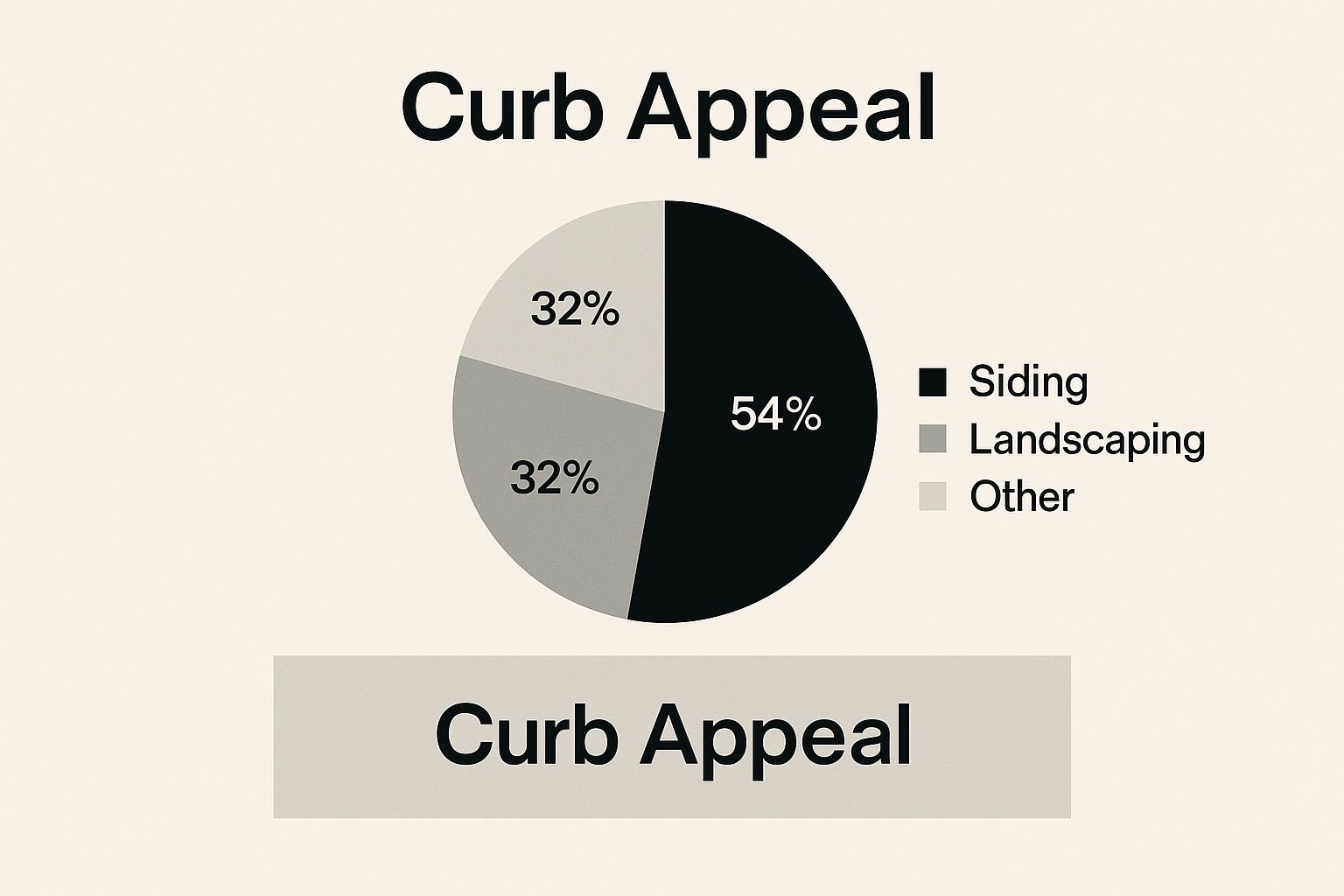
This is where things like curb appeal make all the difference. You want buyers to feel good about the house before they even walk through the door.
Focusing On Low-Cost, High-Impact Upgrades
You'd be surprised how often the highest ROI comes from the simplest, most straightforward projects. You really don't need to bring in a demolition crew to make a home feel fresh and appealing to buyers.
Instead, I always advise clients to focus their energy on these highly effective updates:
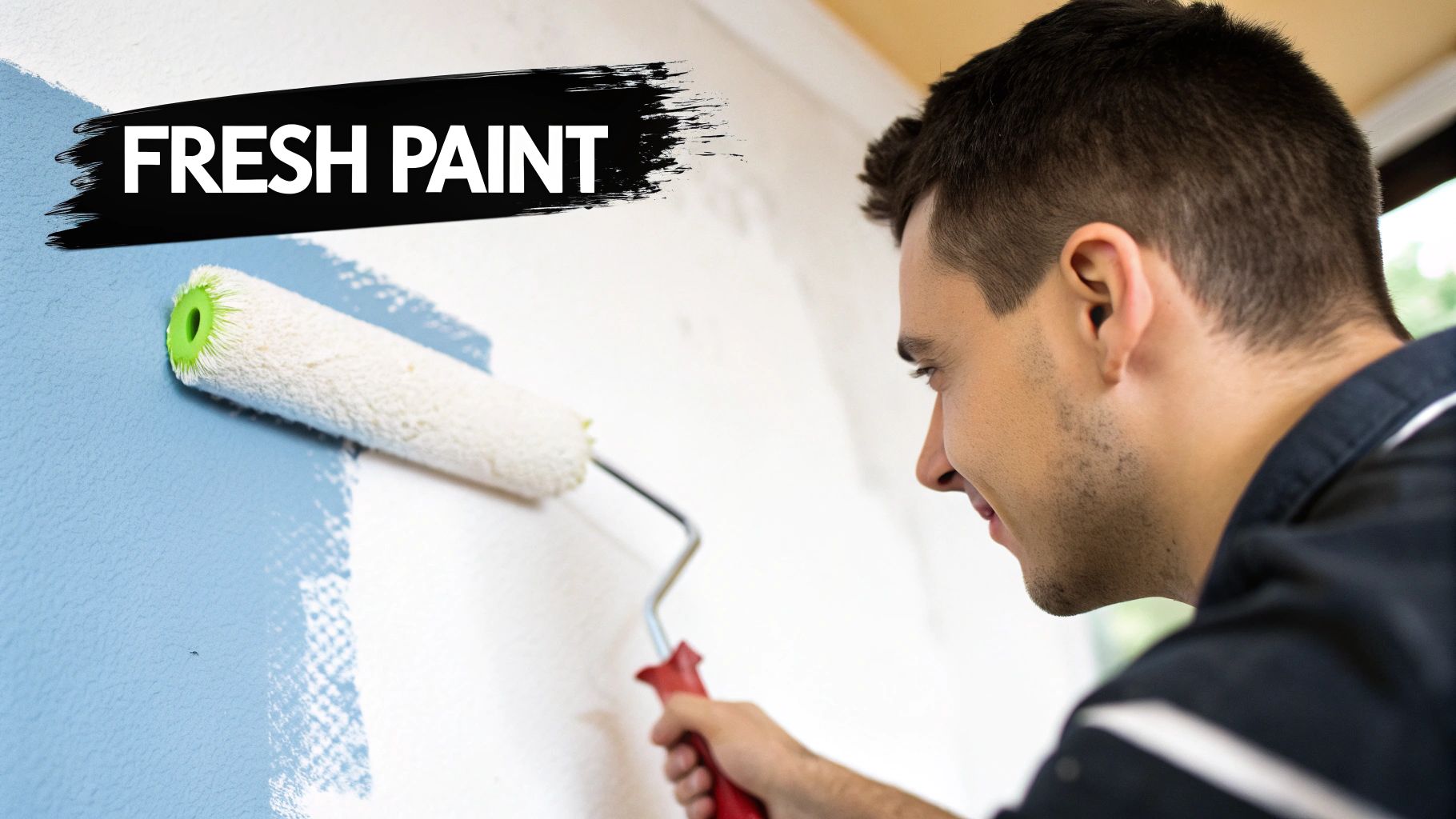
- A Fresh Coat of Neutral Paint: This is, hands down, the most cost-effective repair you can make. Neutral paint instantly brightens up rooms, makes the whole place feel bigger, and gives buyers a blank canvas to imagine their own lives in.
- Modernizing Fixtures: Swapping out dated, brassy doorknobs, light fixtures, and cabinet pulls for modern finishes like brushed nickel or matte black is a quick and cheap update that makes a space feel instantly more current.
- Refinishing or Deep Cleaning Floors: Scuffed-up hardwood floors or grimy carpets are a major turnoff. Having hardwoods refinished or carpets professionally steam-cleaned can make the entire home feel cleaner, newer, and much more valuable.
Choosing wisely is more important than ever, especially since repair costs have been on the rise. We saw roof repair costs jump a staggering 28.47% from Q1 2024 to Q1 2025, and even something as simple as a chimney cleaning service went up by 16.73%. Reports show that focusing on projects like painting, a new roof, and minor bathroom or kitchen updates can help you recover between 50% and 80% of what you spend.
High-Impact Home Repairs ROI Comparison
To help you visualize where your money goes furthest, here’s a quick breakdown of common pre-sale repairs and what you can generally expect back.
| Repair Project | Typical Cost Range | Estimated ROI | Impact on Buyers |
|---|---|---|---|
| Minor Kitchen Remodel | $10,000 – $25,000 | 70% – 80% | High. Updated kitchens are a top priority for most buyers. |
| Interior Painting | $2,000 – $6,000 | 100%+ | High. Creates a fresh, clean, and move-in-ready feel. |
| New Roofing | $8,000 – $20,000+ | 60% – 70% | Very High. Provides peace of mind and resolves inspection issues. |
| Bathroom Refresh | $3,000 – $10,000 | 60% – 70% | High. Modernizes a key space without a full gut remodel. |
| Flooring Refinish/Replace | $1,500 – $7,000 | 90% – 110% | High. New or refinished floors make the whole house feel new. |
| Landscaping/Curb Appeal | $500 – $3,000 | 100%+ | Very High. Sets a positive first impression before they enter. |
As you can see, the projects that refresh and update the home without requiring a massive overhaul tend to offer the best bang for your buck.
Avoiding The Major Renovation Trap
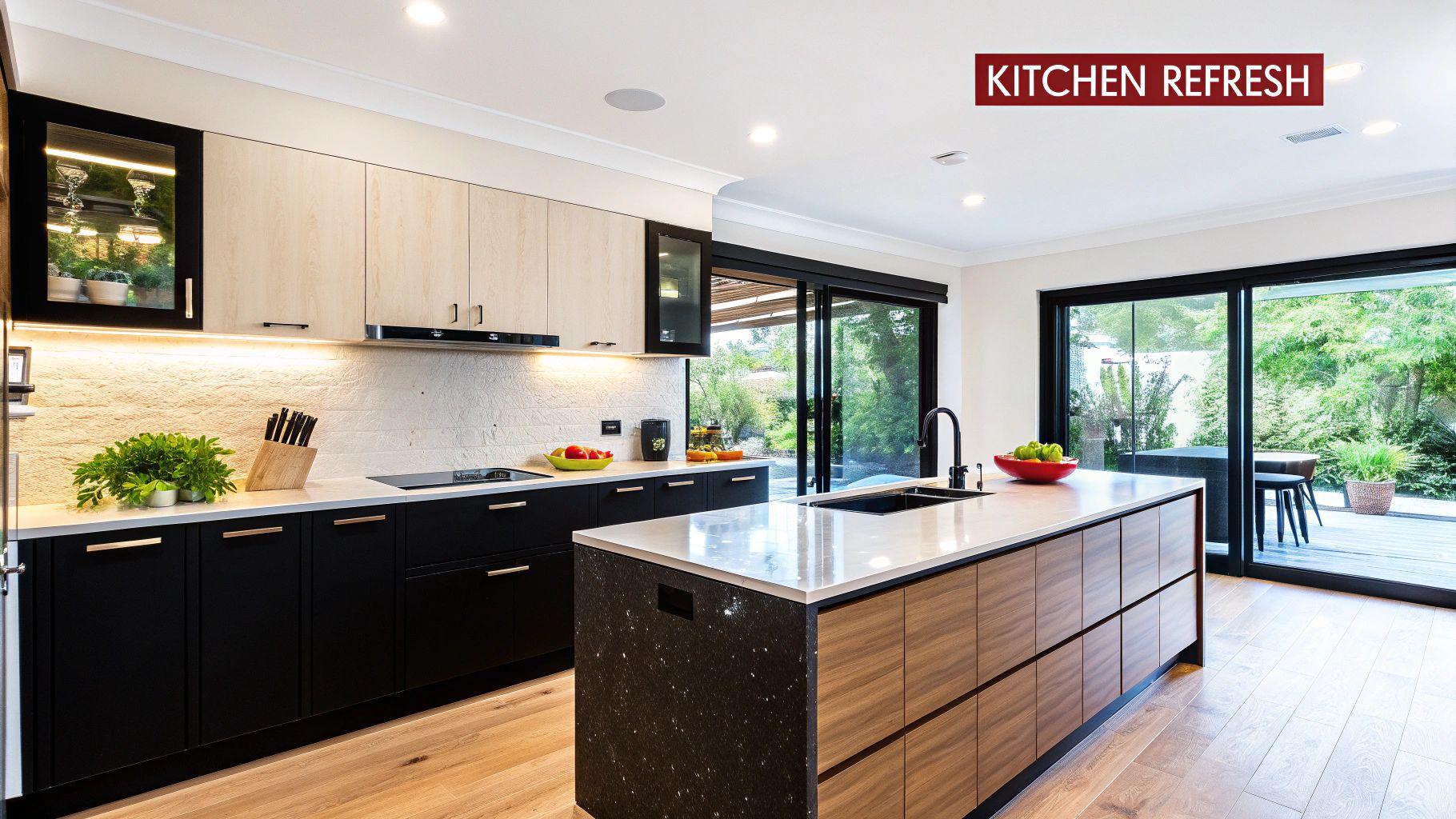
Finally, we have the major renovations. These are the high-risk, high-cost projects that I almost always advise sellers to steer clear of. A full-blown kitchen or bathroom gut job right before you list is rarely going to pay for itself. While a minor kitchen refresh can be a great investment, an upscale, custom remodel often recoups less than 40% of its cost.
The goal is to update, not to completely overhaul. You want to appeal to the broadest audience possible, not build your dream kitchen for someone else.
Instead of tearing out the entire kitchen, focus on those smaller, impactful changes. Painting the cabinets, installing a new backsplash, and maybe updating one or two key appliances are much smarter moves. You can learn more about making smart choices in our guide on kitchen remodel return on investment. This approach gives you the look and feel of a renovated space without the massive financial gamble.
Maximizing Curb Appeal for a Strong First Impression
Long before a buyer ever steps through your front door, they've already made a judgment call. That first impression happens the second they see your listing photos or pull up to the curb for a showing.
Great curb appeal does more than just look nice—it sends a powerful signal that your home is well-maintained and loved. It sets a positive, welcoming tone for the entire visit.
The good news? Many of the most effective exterior updates are surprisingly affordable. It’s all about focusing on tasks that clean things up, add a fresh coat of paint, and bring in a touch of modern polish. Ignoring these details can make an otherwise fantastic home feel neglected before the tour even begins. Making smart moves out front is one of the most reliable home repairs before selling you can invest in.
Creating an Irresistible Welcome
Start by stepping back and looking at your home as a whole picture. Power washing is a fantastic first move. Blasting away years of dirt and grime from siding, walkways, and the driveway can instantly make the entire property feel brighter and newer. This one simple task alone can dramatically improve your home’s appearance for a minimal cost.
Next, turn your attention to the landscaping. I’m not talking about a complete garden overhaul, but just tidying up what you already have.
- Fresh Mulch: Spreading a fresh layer of dark mulch in your garden beds is one of the cheapest, fastest ways to make your landscaping look sharp and professionally done.
- Neatly Trimmed Greenery: Cut back any overgrown bushes or hedges, especially if they're blocking windows or crowding pathways.
- Lawn Care: Make sure the lawn is freshly mowed, edged, and free of weeds for photos and showings. Simple, but it makes a huge difference.
A welcoming front entrance can create an immediate emotional connection. Think about what a buyer sees as they walk to the door—every detail matters. A freshly painted front door, new house numbers, and a clean, inviting porch light can make a world of difference.
The Finishing Touches That Seal the Deal
Once the big stuff is handled, it’s the small details that really elevate the experience. A new, stylish front doormat is an inexpensive touch that just feels welcoming.
Also, take a minute to check your exterior light fixtures. Make sure they're clean, free of cobwebs, and have working bulbs. Functional and attractive outdoor lighting isn't just for looks; it adds a real sense of security.
These exterior improvements are a crucial part of your overall selling strategy. They work hand-in-hand with interior preparations to present a complete, appealing package to buyers. For more ideas on getting the inside of your home ready, check out these essential home staging tips for sellers to ensure every single room makes a killer impression.
Knowing When to DIY vs. Hire a Professional
Deciding what to tackle yourself versus what to farm out to a pro is one of the biggest hurdles when you're getting a house ready to sell. Make the right call, and you save time and money. The wrong one? You could be looking at costly mistakes, safety issues, or a "finished" project that actually turns buyers off.
It all starts with an honest look in the mirror. Do you really have the skills, the right equipment, and—this is the big one—the time to get the job done right? A sloppy DIY repair is often worse than leaving it alone. It screams to buyers that other, potentially more serious, problems could be hiding just out of sight.
Identifying Smart DIY Projects
Some projects are just perfect for rolling up your sleeves. These are usually the low-risk, cosmetic jobs that offer a fantastic return on your sweat equity—tasks that freshen up a space without messing with its bones.
A few excellent DIY candidates include:
- Interior Painting: You can never go wrong with a fresh coat of neutral paint. It's a classic, high-impact project that most homeowners can handle with a little patience.
- Replacing Hardware: Swapping out dated cabinet pulls, old doorknobs, and tired light fixtures is such a simple way to make a room feel more modern.
- Minor Landscaping: Just spreading fresh mulch, trimming back overgrown shrubs, and planting some colorful annuals can do wonders for your curb appeal.
Even a small but noticeable issue can be a great DIY win. For instance, a straightforward DIY garage door bottom seal replacement is something most people can manage, and it stops drafts while making the garage look much more buttoned-up.
Your goal with any DIY project is to make it look like a professional did it. If you have any doubt you can pull that off, it's almost always smarter to just hire someone.
When to Call in the Experts
While doing it yourself can pad your wallet, some home repairs before selling absolutely belong in the hands of a licensed professional. We're talking about jobs that involve complex systems, need special permits, or carry serious safety risks. Frying your electrical system isn't just a cosmetic flub; it’s a genuine fire hazard.
Here are the jobs that almost always require a pro:
- Electrical Work: Don't touch anything involving the electrical panel or adding new circuits. Just don't.
- Major Plumbing: Moving pipes, messing with main lines, or installing a new water heater is not a beginner-friendly task.
- Roofing Repairs: Getting up on a roof with specialized materials is a job best left to insured experts.
- Structural or Foundation Issues: These problems require an engineering assessment and highly specialized repair methods.
Hiring a pro might feel like a big expense upfront, but the cost of getting these things wrong is infinitely higher. The average U.S. homeowner is already spending around $6,087 a year on maintenance. Many are on thin ice financially—59% would have to put a $5,000 emergency repair on a credit card.
It’s no surprise that most people call for help with major systems like plumbing (64%) and appliance replacement (68%). Getting these critical repairs done right protects your investment and paves the way for a much smoother closing.
Got Questions About Pre-Sale Home Repairs? We've Got Answers.
Figuring out which home repairs to tackle before you sell can feel like a minefield. What’s worth the money? What should you leave alone? How do you even begin to budget for it all? It's easy to get overwhelmed, but getting clear on these questions is the first step toward a profitable, stress-free sale.
Let's walk through some of the most common dilemmas sellers face. I'll give you the straight answers you need to make smart, strategic decisions for your property.
Should I Do a Full Kitchen or Bathroom Remodel Before Selling?
In a word: no. A full-blown, gut renovation of a kitchen or bathroom is almost never a good investment right before you put your house on the market.
Yes, buyers love beautiful kitchens and bathrooms. But the staggering cost of a major overhaul just doesn't pay off. For instance, an upscale kitchen remodel might only get you back 38% of what you spent. That's a losing proposition.
The smarter play is to focus on smaller, high-impact updates. You want to create a fresh, modern feel that wows buyers without emptying your wallet.
For the kitchen, think mini-makeover:
- Paint the Cabinets: A clean coat of a neutral color like a crisp white or a soft gray can literally transform the entire space overnight.
- Swap the Hardware: Ditching old, dated knobs and pulls for sleek brushed nickel or matte black handles is a fast, cheap fix with a huge visual payoff.
- Update the Faucet: A stylish, modern faucet can make the whole sink area feel more current and upscale.
The same logic applies to the bathroom. Re-grouting the tile to make it sparkle, replacing a clunky old vanity with something more modern, and upgrading dated light fixtures are all fantastic moves. These projects give the impression of a brand-new space for a fraction of the cost, appealing to the widest possible pool of buyers.
How Much Should I Actually Budget for Repairs?
A solid starting point is to earmark 1-2% of your home's asking price for pre-sale repairs. So, if you're listing your home for $500,000, you’re looking at a repair budget between $5,000 and $10,000.
Of course, this isn't a one-size-fits-all number. If your initial walk-through (or a professional pre-listing inspection) turns up a big-ticket problem—like a failing HVAC system or a roof on its last legs—you'll need to adjust that budget upward.
Always get at least two or three professional quotes for any major repair. And here's a pro tip: add a 15% contingency fund to whatever your final budget is. Unexpected issues almost always pop up, and having that cushion will save you a world of stress.
Are There Any Repairs I Should Absolutely Avoid?
You bet. The main goal of pre-sale repairs is to create a clean, neutral canvas that lets buyers imagine themselves living there. Anything that's too personal or caters to a very specific taste is a definite "don't."
Be sure to steer clear of these common missteps:
- Bold, Trendy Paint: That deep emerald green accent wall might be your pride and joy, but it could be a major turn-off for most buyers. Stick to neutrals.
- High-End, Niche Appliances: You might dream of a commercial-grade, six-burner stove, but it’s highly unlikely you’ll recoup that hefty price tag.
- Room Conversions: Turning a bedroom into a dedicated home gym or movie theater is a bad move. It lowers your official bedroom count and can alienate buyers who desperately need that third bedroom.
Also, be careful not to "over-improve" for your neighborhood. If your renovations make your home the most expensive one on the block by a wide margin, you’ll have a tough time getting that money back at the closing table.
What if I Can't Afford to Make Any Repairs?
Don't panic. If your repair budget is zero, you still have some powerful tools at your disposal.
Start with the things that only cost you time and elbow grease. A serious deep clean of every nook and cranny, aggressive decluttering to make every room feel bigger, and depersonalizing by packing away family photos are all incredibly effective—and completely free.
Now, if there are major, unavoidable repairs that need to be done, transparency is your best friend. The most common strategy is to get a few professional quotes for the work. Once you have those estimates, you have two clear options:
- Offer a credit to the buyer. You can offer the buyer a credit at closing to cover the cost of the needed repair.
- Price the home accordingly. You can simply list the home at a lower price from the outset, already factoring in the cost of the work.
Acknowledging necessary repairs upfront builds trust with buyers. It shows you're not hiding anything and can stop your deal from imploding after a shocking home inspection report.
Navigating which home repairs before selling will give you the best return is a tricky business. For expert guidance on maximizing your home's value and ensuring a smooth sale in the Fresno area, contact the experienced team at Edinhart Realty and Property Management. Visit us online at https://edinhart.com to learn how our strategic approach can help you achieve your real estate goals.


